








The gaming world is usually dominated by so-called AAA titles, gigantic productions with million-dollar budgets, large teams and massive marketing campaigns. However, independent studios and mid-sized (AA) productions have long proven that size isn't always everything. Many of these creations manage to deliver more exciting, artistic and innovative experiences than many forgettable blockbusters.
In this list, I've gathered 10 AA and Indie games that surpass many AAA games, whether for their refined gameplay, impeccable art direction, or for touching players' hearts with deep narratives. From thrilling adventures to mind-bending experiences, these titles stand out for demonstrating how creativity and passion can elevate video games to new heights.
TUNIC
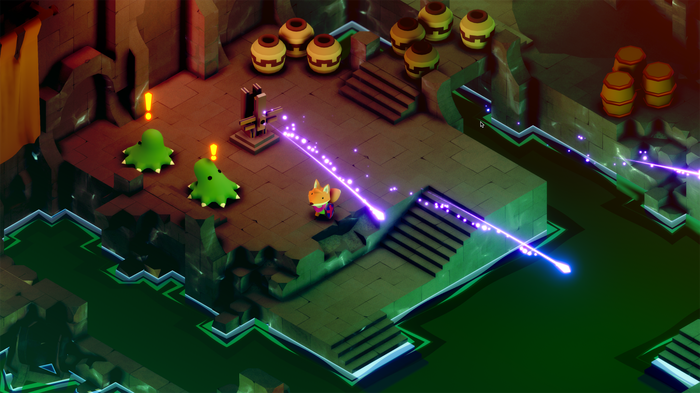
At first glance, TUNIC can be deceiving. With an adorable fox-like protagonist, colorful graphics, and an aesthetic reminiscent of classic 16-bit games, it gives the impression of being a simple and accessible game. But the reality is that TUNIC is one of the most intelligent and challenging experiences in the modern indie scene.
Inspired by The Legend of Zelda, the game delivers a world full of mysteries, secrets hidden in every corner, and mechanics that reward curiosity. One of the most ingenious elements is the game's "manual", which the player finds on pages scattered throughout the world. The detail is that it's written in a fictional language, and as you collect fragments, you begin to decipher not only the instructions but also secrets of the story itself.
TUNIC's difficulty also surprises. Its combats are tough and require patience, very reminiscent of the Soulslike style. Every enemy can be fatal if underestimated, and each victory brings that rewarding feeling that only well-balanced games offer.
The charm lies in the contrast between visual cuteness and mechanical complexity. It's a game that doesn't hold the player's hand, encouraging exploration and discovery. Ultimately, TUNIC proves that it doesn't need a billion-dollar budget to deliver something innovative, magical, and memorable.
Celeste
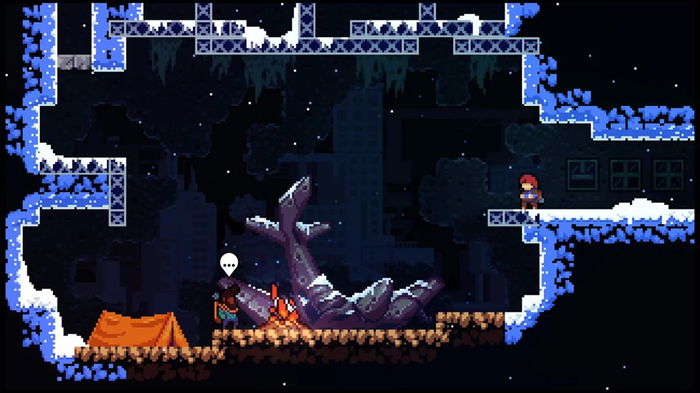
Among all the indie games of recent years, Celeste holds a special place. Developed by the studio Maddy Makes Games, the title is much more than just a challenging platformer: it's a work about personal growth, mental health, and self-discovery.
The plot revolves around Madeline, a young woman who decides to climb Mount Celeste. At first, the goal seems physical, but it soon becomes clear that the real challenge is internal. Each part of the climb represents an emotional obstacle, dealing with anxiety, depression, and self-acceptance. This narrative depth has made Celeste a game that emotionally connects with players around the world.
In terms of gameplay, Celeste is an example of precision. The controls are impeccable, and even in the most difficult stages, death never feels unfair. The game challenges, but also motivates, reinforcing the idea that every fall is part of the process of growth.
The minimalist pixel art and soundtrack, by Lena Raine, brilliantly complete the experience. Each song perfectly fits the moment, alternating between melancholy and the energy of overcoming.
Celeste's cultural impact was so great that it’s often cited as one of the best indies ever made, remembered for both its gameplay and its emotional impact. It's the kind of experience that proves that video games can be powerful tools for empathy and reflection.
The Messenger
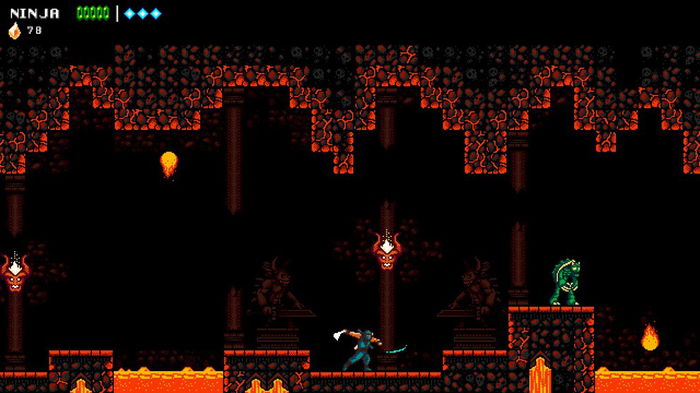
The Messenger is a game that, at first, seems like a simple homage to 8-bit action classics like Ninja Gaiden. However, as the adventure progresses, it reveals itself to be something much greater: a creative experience that surprisingly blends nostalgia with innovation.
Initially, the player assumes the role of a young ninja tasked with delivering a crucial message. The gameplay is a direct nod to 1980s action platformers, with responsive controls and sharp combat. But the real turning point comes when, halfway through the game, it transforms into a full-fledged metroidvania experience. The map expands, exploration takes center stage, and the narrative reveals unexpected layers.
Another highlight is the humor. The dialogues with supporting characters, especially the mysterious shopkeeper, feature clever jokes and even metalanguage about game design. This gives the game a unique identity, blending seriousness and comedy in just the right measure.
The art direction also deserves praise. The Messenger alternates between 8-bit and 16-bit graphics as the game progresses, creating a visual contrast that enriches the experience. The soundtrack, with energetic tracks, reinforces the retro vibe without sounding dated.
Ultimately, The Messenger is more than a tribute: it's a love letter to the classics, but also an evolution of them. It shows how an indie studio can reinvent old formulas and create something that shines brighter than many predictable AAA titles.
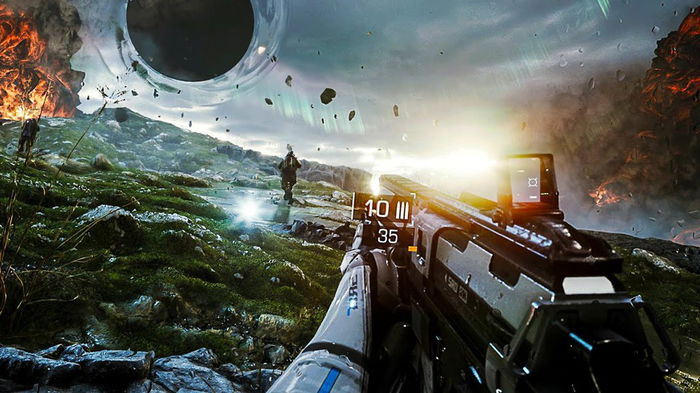
Bright Memory Infinite
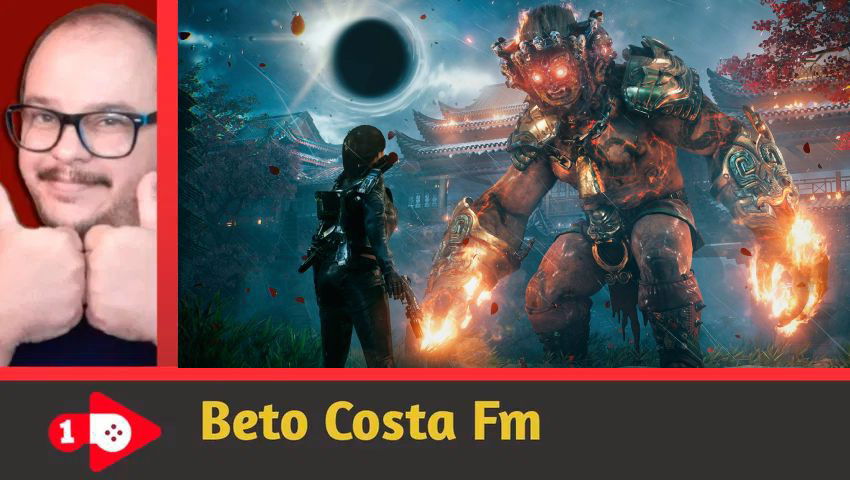
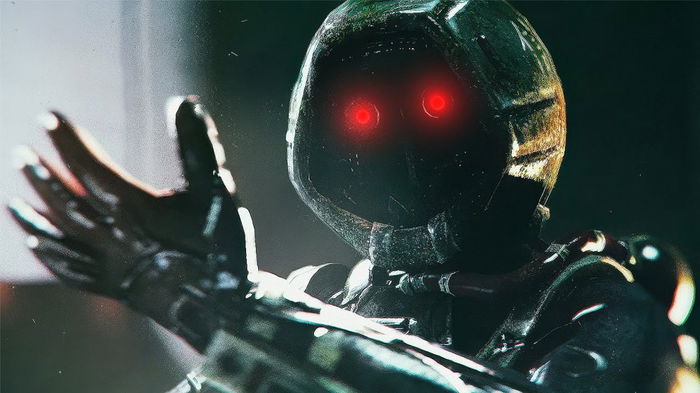
Produced almost entirely by a single person, Bright Memory Infinite is proof that talent and dedication can rival gigantic productions. The game impressed the gaming community with top-notch graphics, worthy of a AAA title, but with the freshness and boldness that only an independent project could offer.
The game blends first-person shooter with melee combat, creating a frenetic pace reminiscent of franchises like Devil May Cry and DOOM. The protagonist, Shelia, faces enemies ranging from futuristic soldiers to mythological creatures, in scenarios that alternate between realistic environments and fantasy worlds.
The most notable feature is the fluidity of the gameplay. The player can switch between shooting, sword combos, special abilities, and dodging moves incredibly naturally. This creates dynamic and exciting combat, making each encounter feel like an action choreography.
Visually, Bright Memory Infinite is a spectacle. Its graphics take full advantage of the Unreal Engine's potential, with detailed environments, impressive weather effects, and jaw-dropping lighting. All this in a game that, surprisingly, has light hardware requirements.
While it's not a long title, the intensity of the experience makes up for it. It delivers cinematic action on an epic scale, but without losing the creative identity that only smaller productions can convey. A clear example of how the new generation of independent developers can challenge the biggest publishers head-to-head.
Blasphemous
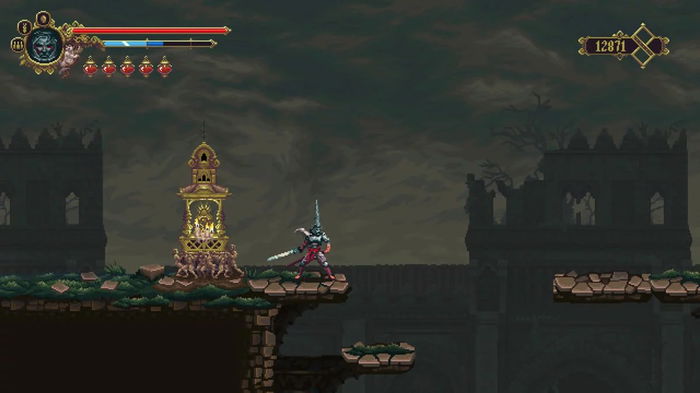
The Blasphemous franchise, developed by The Game Kitchen, has quickly gained prominence in the indie scene with its unique aesthetic, challenging gameplay and narrative loaded with religious symbolism.
The first game features a dark and grotesque world, inspired by Spanish folklore and Catholic iconography. The player assumes the role of the Penitent, a silent warrior who faces terrifying monsters on a journey of atonement. The style is very reminiscent of Dark Souls, both in terms of difficulty and the dense and oppressive atmosphere.
Blasphemous 2 further expands the universe. With more refined graphics, more fluid combat, and a greater variety of weapons, the game deepens both the gameplay and the narrative. The sequel maintains the dark tone but offers greater accessibility and improved mechanics, without losing the emotional and artistic weight that made the first game memorable.
The series' biggest difference is the art direction. Each stage resembles a macabre painting, and the bosses are nightmarish works of impressive design. Furthermore, the melancholic soundtrack reinforces the tone of tragedy and devotion that permeates the Penitent's journey.
Blasphemous is a perfect example of how creativity and the courage to explore unusual themes can create something remarkable. More than simple metroidvanias, the games are profound artistic experiences, proving that independent studios can deliver titles that rival any AAA in impact.
Death’s Door
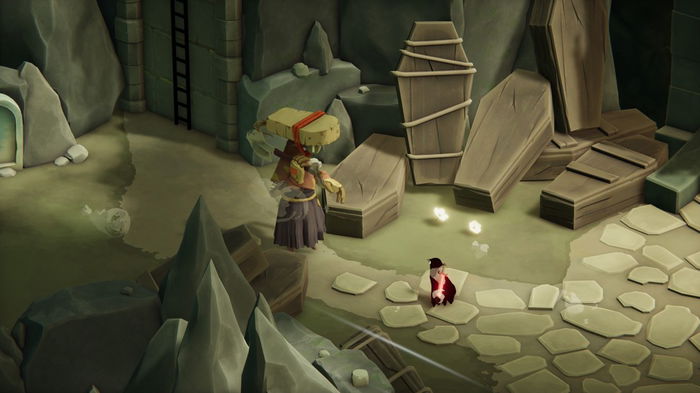
Developed by Acid Nerve, Death's Door is one of the most charming and melancholic indie games of recent years. It blends action, exploration, and a touch of existential philosophy into a captivating narrative about life, death, and purpose.
The player controls a raven tasked with collecting souls in a world where death has ceased to function naturally. The quest leads the protagonist to face colossal creatures and explore secret-filled environments in an adventure that blends the precision combat of Zelda with the angsty atmosphere of Dark Souls.
The gameplay is straightforward yet challenging. Each enemy demands attention, and the boss fights are memorable, demanding both strategy and skill. The progression system is simple yet satisfying, encouraging exploration of the map and rewarding curiosity.
The highlight of Death's Door is its artistic direction. The environments, despite being minimalist, convey a sense of grandeur and solitude. The masterfully orchestrated soundtrack elevates the experience, transforming each moment into something poetic.
The narrative, though subtle, raises reflections on the cycle of life and the inevitability of death. It's the kind of game that, upon completion, leaves the player thoughtful, reflecting on the meaning of their own journey.
In the end, Death's Door proves it doesn't need Hollywood effects to move. Its beauty lies in its simplicity and depth, demonstrating how an indie can be as, if not more, memorable than many blockbusters.
GRIS
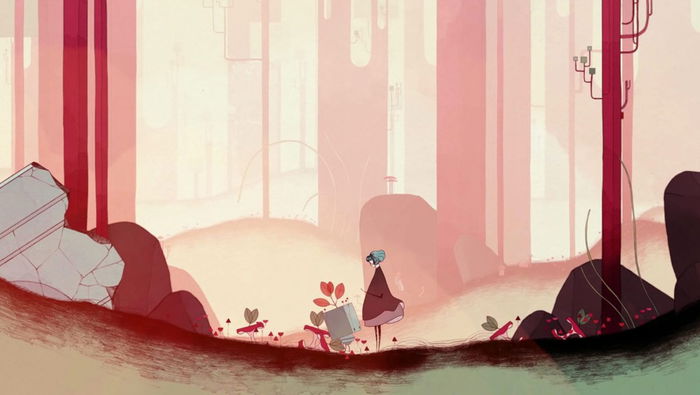
Few games capture the essence of art like GRIS. Developed by Nomada Studio, the game is a true painting in motion, where every visual and aural detail contributes to conveying emotions without the need for words.
The story follows a young woman named Gris, who traverses a ruined world while dealing with pain and grief. There’s no dialogue, only a visual and symbolic narrative that reveals itself through progression. Each color that returns to the world represents a stage in the protagonist's emotional healing process.
The gameplay is simple but effective. It's a platformer with light puzzles that serve as metaphors for the character's inner struggles. The goal isn't to challenge the player's skill, but to make them feel.
The art direction is undoubtedly its most striking feature. The watercolor style, with fluid animations and impressive compositions, makes each scene a museum-worthy work. The soundtrack, composed by Berlinist, perfectly complements the atmosphere, oscillating between melancholy and hope.
GRIS is more than a game; it's a sensory and emotional experience. It shows that video games can be interactive works of art, capable of provoking feelings as deep as the best films or paintings. A perfect example of how the indie scene redefines what it means to play.
Dead Cells
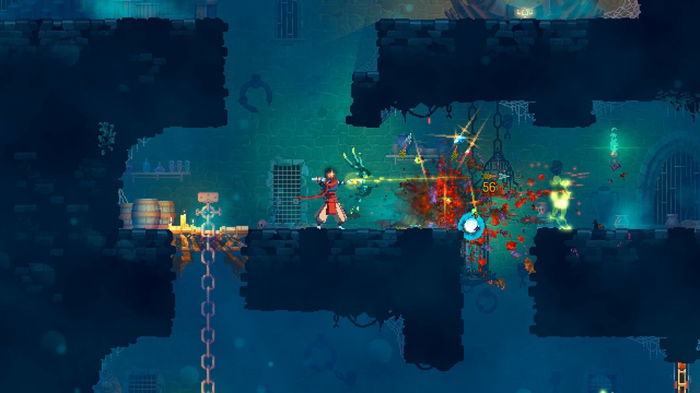
Dead Cells is one of the greatest representatives of the genre known as roguevania, a fusion between roguelike and metroidvania. Developed by Motion Twin, the game has won a legion of fans thanks to its addictive combat, endless replayability, and vibrant visual style.
The player assumes the role of a formless entity inhabiting the body of a prisoner. The goal is to explore an ever-changing castle, facing hordes of enemies and powerful bosses. With each death, the player loses some progress but also gains new opportunities to unlock skills and weapons. This dynamic creates an addictive cycle of trial and error.
Combat is the highlight. Agile, responsive, and full of variety, it allows the player to combine swords, bows, magic, and traps to create unique styles. Each run is different, encouraging constant experimentation.
Visually, Dead Cells delights with its detailed pixel art and fluid animations. The atmosphere, which blends dark fantasy and sarcastic humor, gives the game its own identity.
Furthermore, Motion Twin continues to expand the game with updates and DLC, keeping the community active and engaged. This longevity reinforces how Dead Cells isn’t just a passing success, but a pillar of the modern indie scene.
It proves that you don't need a billion-dollar budget to deliver a deep and lasting experience. On the contrary: creativity, dedication, and passion can yield something even more memorable.
SOMA
Created by Frictional Games, the same studio behind Amnesia: The Dark Descent, SOMA is a game that combines psychological horror with existential science fiction. More than just scaring, it seeks to provoke reflections on identity, consciousness, and what it means to be human.
The story takes place in a futuristic underwater facility after a global collapse. The protagonist, Simon Jarrett, wakes up without understanding how he ended up there and begins to uncover disturbing secrets about the relationship between humans and machines.
The terror of SOMA lies not only in its monsters, but in the philosophical dilemma it presents: if a copy of your mind were transferred to another form, would it still be you? The game challenges the player to reflect on the continuity of consciousness and the limits of identity.
In terms of gameplay, it follows the line of atmospheric survival horror, with exploration, puzzles, and tense encounters with hostile creatures. However, unlike other titles in the genre, the focus is on narrative rather than action.
The atmosphere is dense, reinforced by claustrophobic settings and an unsettling soundtrack. Every detail of the environment contributes to the climate of oppression and mystery.
SOMA is considered one of the most intelligent games of its kind, capable of leaving players thinking long after the final credits roll. Proof that indie video games can also be platforms for philosophical and existential discussion.
Ori and the Blind Forest
Released in 2015 by Moon Studios, Ori and the Blind Forest is one of the most moving and artistically beautiful experiences in the AA scene. The game quickly gained recognition for its refined gameplay, touching narrative, and stunning art direction.
The story follows Ori, a small guardian creature, on a journey to restore life to a dying forest. The plot is simple yet emotionally charged, exploring themes of sacrifice, hope, and the strength of emotional bonds. Often, without the need for words, the game manages to bring tears to the player's eyes.
Technically, Ori and the Blind Forest is a metroidvania par excellence. The movement is fluid, the controls are precise, and the level design is clever, encouraging exploration without ever feeling repetitive. Each new ability unlocked opens up creative navigation possibilities, transforming the journey into an experience of constant discovery.
Visually, the game is a spectacle. Each setting resembles a living painting, with vibrant colors and jaw-dropping animations. The soundtrack, composed by Gareth Coker, is one of the film's greatest highlights, perfectly elevating every moment of tension and emotion.
Ori and the Blind Forest demonstrates how mid-sized productions can achieve the same excellence as, or even surpass, major blockbusters. A modern classic that has become a benchmark in the genre.
Ori and the Will of the Wisps
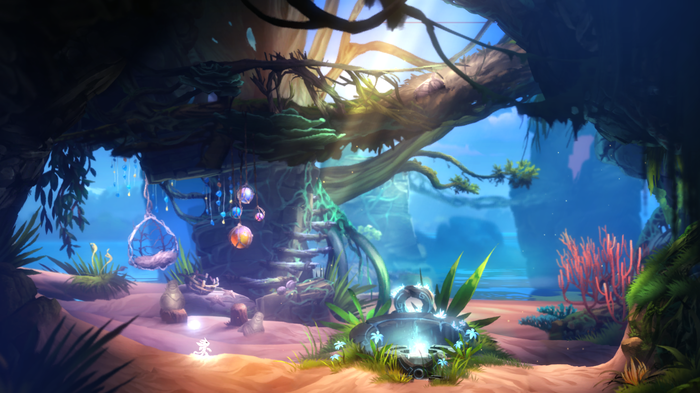
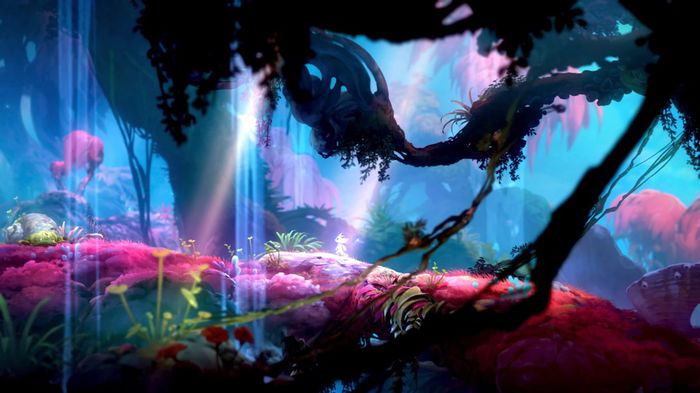
The sequel, Ori and the Will of the Wisps, achieved what few games achieve: surpassing its already brilliant predecessor. Released in 2020, the title expanded on everything Ori and the Blind Forest introduced, refining mechanics, expanding the narrative, and taking the artistic direction to an even more impressive level.
The story continues to follow Ori on a new, now even more emotional journey, exploring friendship, loss, and resilience. The plot touches on universal themes, conveyed with a sensitivity rare in video games.
The gameplay has been enhanced with a more robust and varied combat system, as well as additional abilities that make exploration even more dynamic. The map design is more expansive and interconnected, with platforming challenges that demand precision but reward epic moments.
Graphically, Will of the Wisps is stunning. The level of detail in the environments and the color palette create a true interactive work of art. Once again, Gareth Coker's soundtrack stands out, with compositions that move and completely immerse the player.
The sequel not only honors the legacy of the first game but expands on it in every direction. Ori and the Will of the Wisps is definitive proof that productions outside the AAA circle can achieve unparalleled standards of excellence.
Conclusion
These ten games prove that the greatness of a work isn’t measured by its budget. While many AAA games rely on safe formulas to please the market, smaller studios allow themselves to be bold, innovative, and touch players in unexpected ways.
Ultimately, these independent and AA games not only rival, but often surpass the AAA giants, reminding us that the heart of the industry lies not only in blockbusters, but also in the bold ideas that emerge from the most unexpected corners.






 Inicia sesión y únete a la conversación
— Comentarios 0
, Reacciones 1
Se el primero en comentar